
Next door to our beautiful Saddle House Medi-Spa
Acupuncture is a gentle yet powerful therapy that supports your body’s natural ability to heal itself. Using extremely fine needles placed at specific energetic points, acupuncture works with the body’s own systems to restore balance.
While many people know acupuncture for its effectiveness in relieving pain, it can also support a wide range of physical and emotional health concerns such as stress and anxiety, fatigue, digestive issues, sinus congestion, migraines, hormonal changes (including infertility and menopause), skin conditions and overall wellbeing.
Rooted in ancient Oriental Medicine, acupuncture takes a truly holistic and individualised approach. Rather than focusing symptoms in isolation, it looks at the unique interaction between all of your body’s systems—physical, emotional, and energetic. This means that two people with the same condition may receive very different treatments, tailored specifically to their needs.
Your acupuncturist will take time to understand your health history, goals, and expectations. Acupuncture is a powerful therapeutic tool that works best with a commitment to a course of treatments. These can be scheduled weekly or spaced further apart depending on your needs.
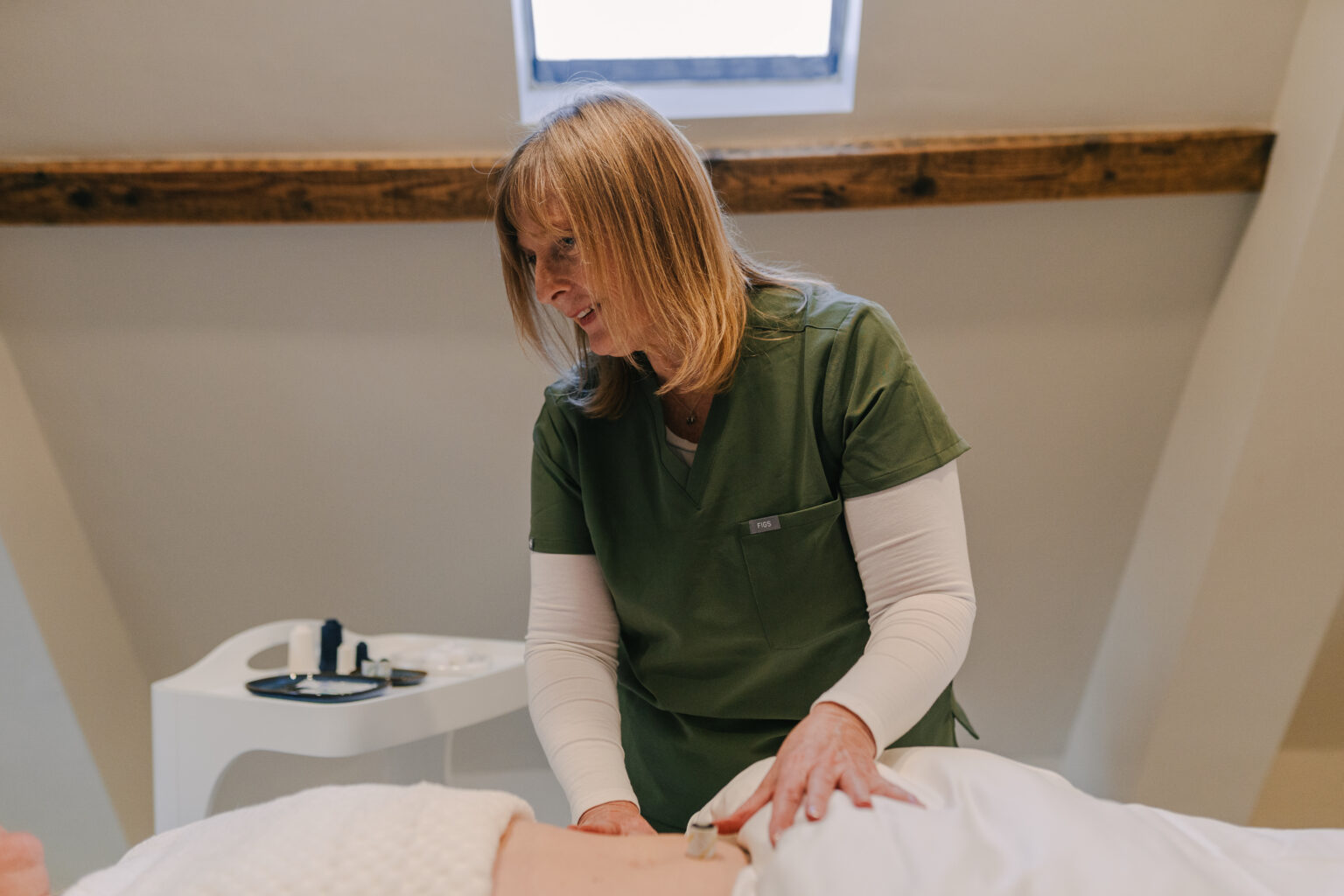
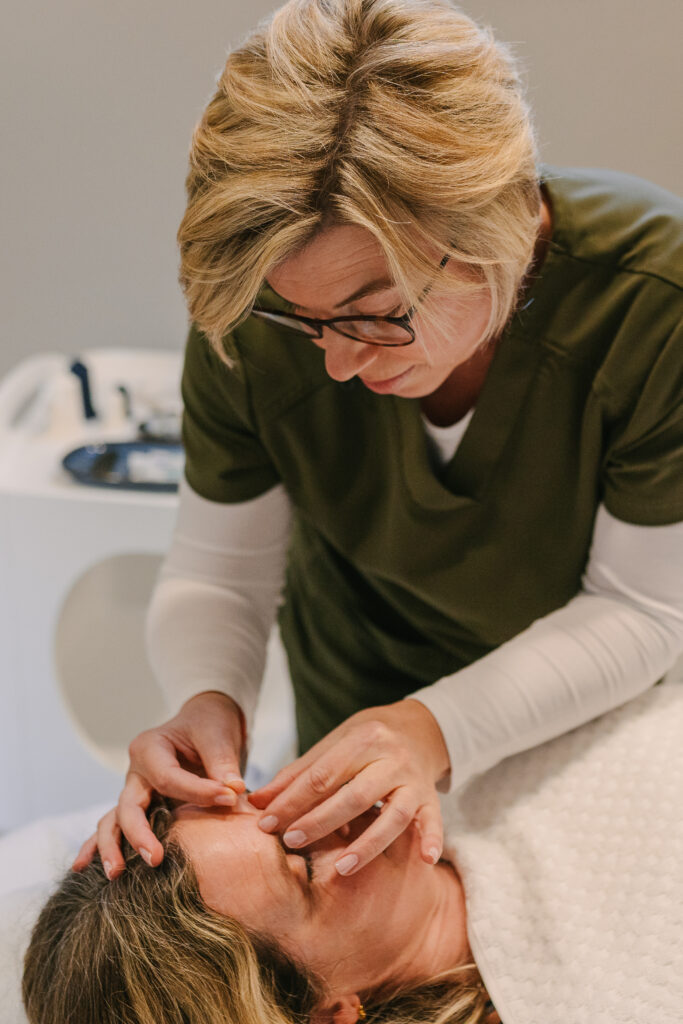
Alongside acupuncture, a range of traditional Chinese medicine therapies may be incorporated to enhance your treatment and deepen its effects.
Moxibustion is a warming and nourishing therapy using moxa, a natural substance made from dried mugwort leaves. It may be placed on an acupuncture needle, held gently over the skin, or applied directly to specific points or meridians. Its comforting heat penetrates deeply, supporting the flow of ‘Qi’ (energy) and blood. Moxibustion is especially soothing and is often used for menstrual discomfort, fatigue, digestive issues and to boost overall vitality.
Cupping involves placing rounded cups on the skin to create gentle suction. This draws blood to the surface, helping to release tension, improve circulation, and encourage stagnant ‘Qi’ to move freely again. It is commonly used for tight or aching muscles and upper respiratory conditions such as coughs or chest congestion.
Temporary circular marks can appear after treatment—these are painless, part of the therapeutic process, and usually fade within five to ten days.
Gua Sha is a technique where a smooth-edged tool is gently scraped over lubricated skin. This encourages circulation and intentionally brings blood to the surface, creating temporary marks that resemble a mild rash or bruise. These marks are not painful and are an important part of the healing response. Gua Sha can significantly increase blood flow to an area to reduce muscle tension and stiffness and is also thought to have anti-inflammatory and immune-supportive effects.
Tui Na is a traditional Chinese medical massage that uses hands rather than needles to stimulate acupuncture points and meridians. This deeply therapeutic yet nurturing technique is effective for muscular pain, joint issues, sinus congestion, scar tissue, and certain gynaecological conditions such as menstrual pain and endometriosis. Tui Na can be both relaxing and energising, depending on your individual needs.
Together, these therapies offer a deeply restorative experience, supporting relaxation, balance, and long-term wellbeing. In the beautiful and luxurious setting of Saddle House, treatments provide not only relief from specific concerns but also a chance to slow down, reconnect with your body, and support your overall health.
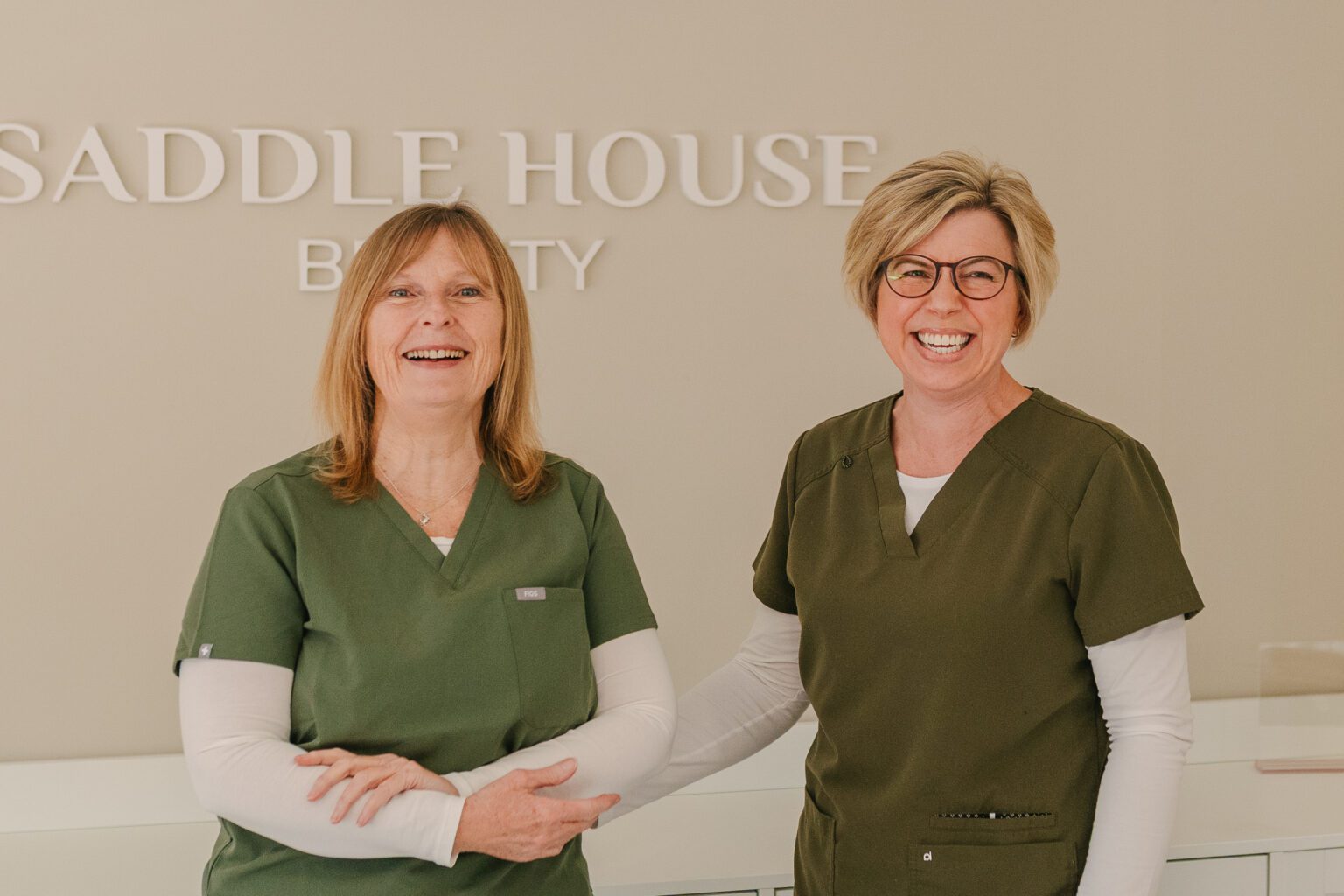
Jayne is a fully qualified acupuncturist holding a BSc (Hons) in Acupuncture from the College of Integrated Chinese Medicine. After a successful career as a television producer specialising in medical programming, she was inspired by her own powerful experience of acupuncture during pregnancy to retrain in this ancient healing practice.
Jayne practises an integrated approach combining Five Element Acupuncture and Traditional Chinese Medicine, allowing her to address both physical and emotional health concerns. With an additional first degree in Psychology, she brings a deep understanding of psychological wellbeing and the mind–body connection to her clinical practice.
She is passionate about supporting health at every stage of life, from conception through to adulthood. Jayne has a particular interest in fertility and women’s health, and holds diplomas in Gynaecology and Obstetrics, as well as Paediatric Acupuncture.
Her work with children led her to further explore non-needling techniques and the healing power of touch, culminating in a diploma in Chinese Medical Massage (Tui Na).
Jayne is a member of the Association of Clinical Acupuncturists, reflecting her commitment to degree-level training and the highest professional standards of care. For the past two years, she has been delivering treatment within the calm and restorative environment of Saddle House.
Rachel is a licensed acupuncturist at Saddle House, holding a First-class BSc (Hons) in Acupuncture from the College of Integrated Chinese Medicine, where she trained in both Traditional Chinese Medicine and Five Element acupuncture.
She is passionate about helping people feel better – in both body and mind – and approaches every treatment with care and compassion as well as complete professionalism. Rachel is a nurturing and attentive practitioner and believes there is no greater privilege than being entrusted to help someone improve their health and wellbeing. Whether supporting someone by reducing their pain, restoring energy levels or navigating emotional challenges, her aim is always to provide thoughtful, gentle and individualised care in a calm and welcoming space.
“I first fell in love with acupuncture after I had an accident 25 years ago and discovered the palpable relief it could give from back pain, and then again when it helped me and my husband to conceive after several years of ‘unexplained’ infertility. More recently it has helped me transition through perimenopause and reduce the severity and frequency of both night sweats and migraines brought on by hormonal changes.”
Rachel is registered with the British Acupuncture Council and committed to the highest standards of safe, ethical and effective practice.
(1.5 hours)
(1hour)